The Interplay of Provider Technologies and Payment Pathways in Shaping Wheel Game Dynamics Across Global Markets
Devon Butler · Aug 23, 2026
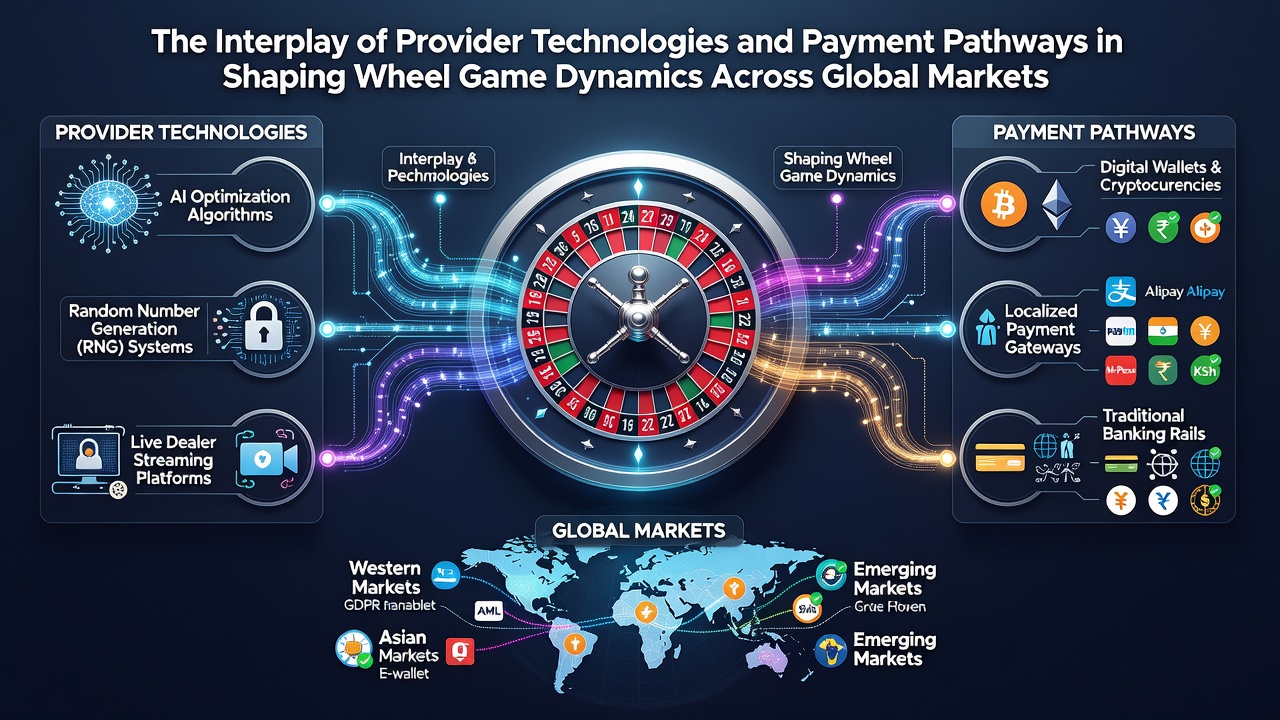
The Interplay of Provider Technologies and Payment Pathways in Shaping Wheel Game Dynamics Across Global Markets
Provider technologies and payment pathways intersect in ways that directly influence how wheel games operate and expand across different regions, with software platforms handling random number generation and live streaming while financial rails determine deposit speed and player reach. Data from industry reports shows that integration between these elements affects game availability, regulatory compliance, and market penetration rates in both established and emerging territories.
Core Provider Technologies Driving Wheel Game Infrastructure
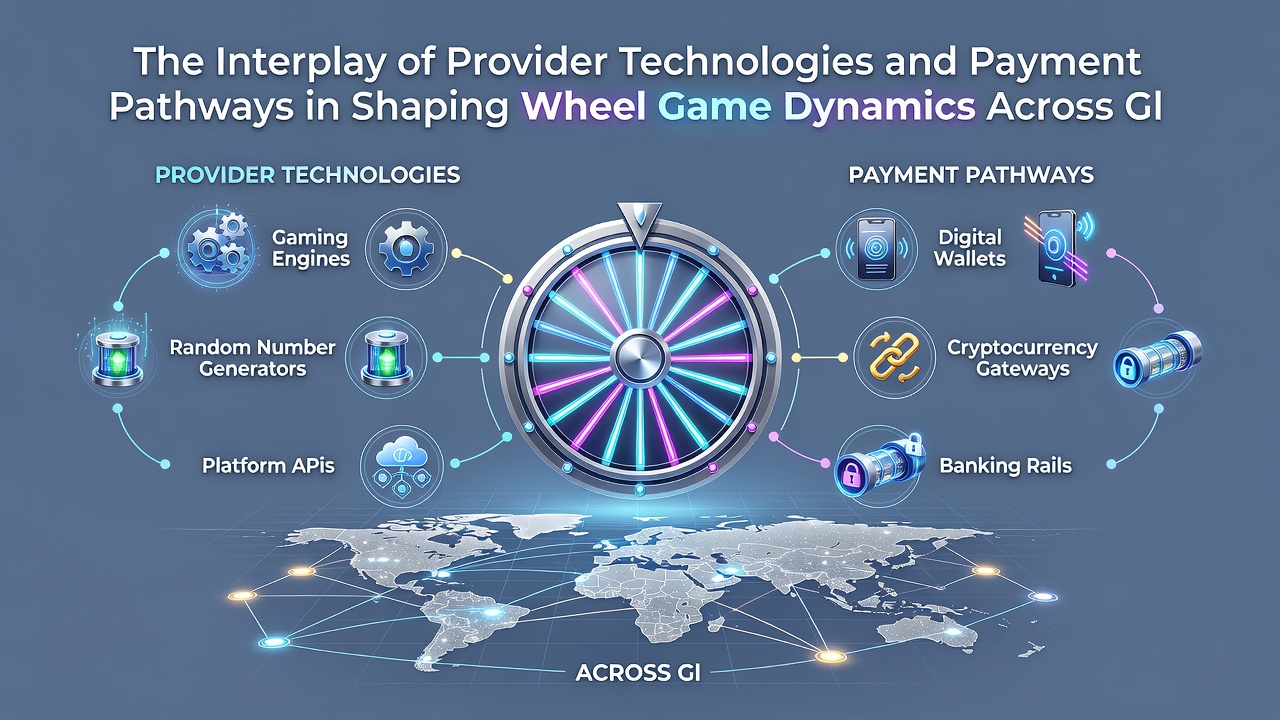
Software developers supply the foundational systems that power wheel mechanics, including certified random number generators and real-time streaming studios, while platform operators layer on mobile optimization and multi-language interfaces to match regional preferences. Observers note that advancements in cloud-based delivery have reduced latency in live dealer sessions, allowing providers to serve multiple jurisdictions from centralized data centers. Research indicates these technical upgrades correlate with higher session durations in markets where connectivity infrastructure supports consistent performance.
Payment Pathways and Their Role in Market Access
Payment methods range from traditional bank transfers and cards to digital wallets and cryptocurrency options, each carrying distinct approval timelines and fee structures that shape participation patterns. Figures from regulatory filings reveal that instant funding methods tend to increase frequency of play in high-volume markets, whereas slower settlement options remain common in regions with stricter banking oversight. Those who track transaction data point out that localized solutions, such as region-specific e-wallets, often determine whether a provider can enter a new territory at scale.
Regional Market Dynamics and Technology-Payment Alignment
In North American jurisdictions, state-level licensing requires providers to partner with payment processors that meet strict audit standards, which in turn influences which wheel variants reach players first. European operators, by contrast, integrate broader sets of digital payment rails that align with varying national rules on cross-border transactions. Data shows Asia-Pacific markets favor mobile-first payment integrations that connect directly to local banking apps, accelerating adoption of certain game formats over others. A report from the International Association of Gaming Regulators highlights how these alignments produce measurable differences in average bet sizes and session lengths across continents.
As of August 2026, several markets have updated compliance frameworks that require enhanced verification layers between payment gateways and game servers, prompting providers to adjust their technical stacks accordingly. These changes affect how quickly new wheel titles can launch and which player segments gain access first.
Technical Standards and Cross-Border Considerations
Standards organizations establish protocols for both game fairness testing and payment security, creating benchmarks that providers must meet before entering multiple territories simultaneously. Evidence from compliance records demonstrates that unified certification processes shorten time-to-market when payment partners already satisfy overlapping regional requirements. Those monitoring rollout timelines note that mismatches between technology certifications and payment approvals frequently delay launches in secondary markets.
Data Patterns in Player Engagement and Transaction Flows
Analytics platforms track correlations between payment method selection and wheel game preferences, revealing that certain digital currencies support higher turnover rates in specific demographic groups. Studies compiled by academic researchers at institutions such as the University of Melbourne document how these patterns vary by geography, with faster payment rails linked to increased participation in real-time variants. Market data further indicates that providers who synchronize their technology updates with evolving payment regulations maintain steadier growth across borders.
Conclusion
The ongoing relationship between provider technologies and payment pathways continues to determine which wheel game formats gain traction in different global markets, with technical capabilities and financial infrastructure shaping accessibility and operational scope. Regulatory updates scheduled through 2026 and beyond will likely reinforce the need for coordinated development between these two domains.